
Plant Machinery Safety: How to Work Safely and Maintain Equipment
A machine can be ready for work and still present a risk. Mobile plant is machinery that moves around a worksite to carry out tasks. Plant machinery safety on site depends on controlling how equipment is operated, keeping people clear and maintaining it properly.
It’s easy to focus on the task a machine needs to complete, but its movement, condition and the operator’s competence matter just as much. This guide explains what counts as mobile plant and how practical site controls can reduce risk. You’ll learn how to plan safe working areas, support competent operation and carry out regular checks and maintenance, helping keep equipment ready for work and reduce avoidable downtime.
Table of Contents
1. Why is machinery safety important?
UK legal requirements for plant machinery safety on construction sites are set across several regulations and Acts. The Provision and Use of Work Equipment Regulations 1998 set requirements for employers using work equipment safely, according to the UK legislation register. The Lifting Operations and Lifting Equipment Regulations 1998 apply to the safe use and operation of construction plant and equipment, according to the UK legislation register. The Construction (Design and Management) Regulations 2015 apply to the safe use and operation of construction plant and equipment, according to the UK legislation register. The Health and Safety at Work Act 1974 applies to the safe use and operation of construction plant and equipment, according to the UK legislation register. The Management of Health and Safety at Work Regulations 1999 apply to the safe use and operation of construction plant and equipment, according to the UK legislation register. The Work at Height Regulations 2005 apply in the UK to work at height where a fall could cause injury, according to the UK legislation register.
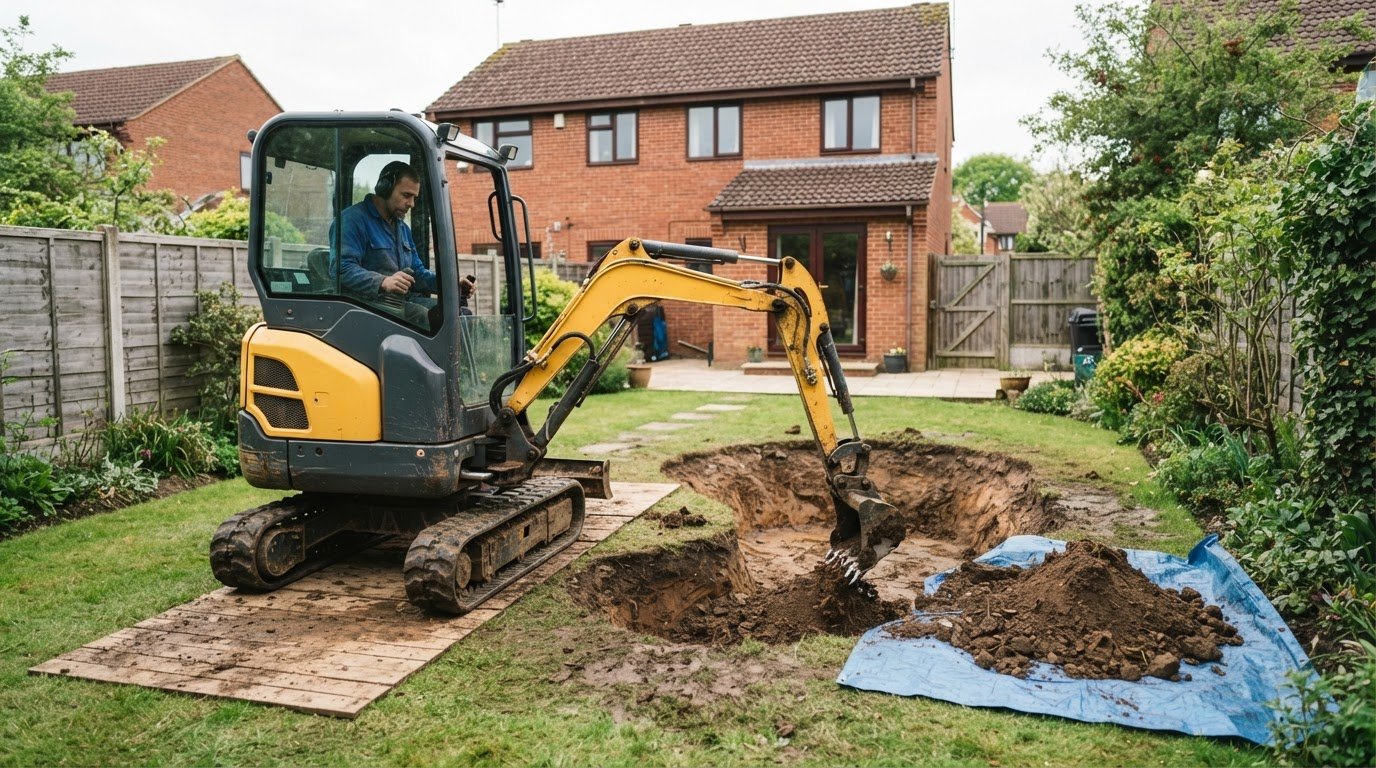
Good construction plant management turns safety requirements into practical site measures. Before work starts, assess hazards, plan where machines will travel and operate, and separate pedestrians with barriers or marked exclusion zones. Review the plan when site conditions or tasks change. For an excavator, consider its operating area and how people will stay clear while it moves.
Equipment instructions and documentation help teams use machinery as intended. Follow the manufacturer’s instructions for operation, inspection and servicing. Suppliers should provide suitable safeguards and information about residual risks that users need to manage. If machinery is second-hand or transferred from another organisation, obtain the relevant documentation and user manuals, then check for unauthorised changes before use.
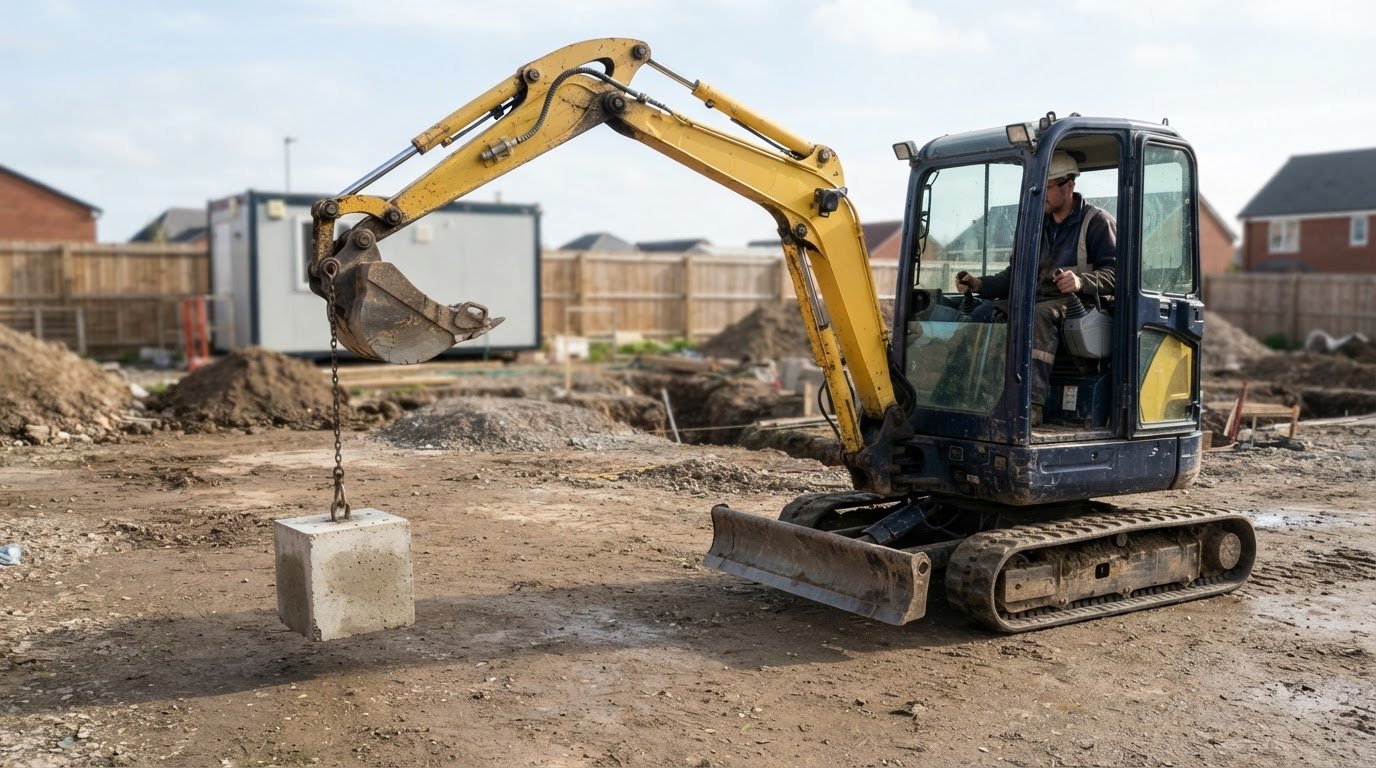
Plan lifting around the load’s weight and centre of gravity, how it will be attached, who controls the lift and the equipment’s safe limits. Decide whether a rehearsal is needed. These steps help prevent a lift from exceeding the machine’s capacity or placing people in danger. Construction equipment can also be registered with CESAR, the Construction Equipment Security and Registration Scheme, listed with Thatcham Quality Assurance Category 3. Registration helps identify machinery if it is stolen, supporting wider site equipment management.
2. Safe systems of work and operator competence
Under PUWER, plant operators must be trained and competent to operate the equipment they use. Training should cover pre-operational checks, signals, communication and working near people or structures. Site induction should explain the vehicle movement plan, including routes, blind spots, exclusion zones and who controls movements. Match each operator’s competence to the machine and task rather than assuming experience with one type applies to another.
Separate pedestrians from plant traffic with marked walkways, barriers, signs and exclusion zones. Plan work so vehicles and people aren’t in the same area at the same time, and review controls when the layout changes. A site movement plan should identify blind spots and keep access clear for deliveries. Schedule deliveries to avoid peak traffic where possible, and provide drive-through access to reduce turning and reversing. Set site speed limits and use audible alarms, flashing beacons or traffic controllers where appropriate.
When visibility is restricted or large machinery is reversing, use a trained banksman. Drivers must stop if they lose sight of the person guiding them. Agree signals before movement begins and keep other workers outside the reversing area. Eye contact can help confirm that a driver has seen a pedestrian, but it doesn’t replace planned separation.
Before maintenance, park securely, lower attachments to the ground, switch off the engine and remove the keys. Isolate the machine so it can’t move or restart during work. Keep guards fitted, and don’t operate equipment with a known fault or missing protective device. Report defects and keep workers clear until the machine is safe to use.
Quick hitches need particular care when changing attachments. A semi-automatic hitch can release an attachment if its locking pin isn’t inserted, so follow the manufacturer’s instructions and use monitoring and supervision. These hitches aren’t banned and can be used safely when instructions are followed. At shutdown, park on level ground, away from excavations, slopes and active vehicle routes; apply the handbrake and remove the keys. Secure parking helps prevent unintended movement and unauthorised use.
3. What is mobile plant?
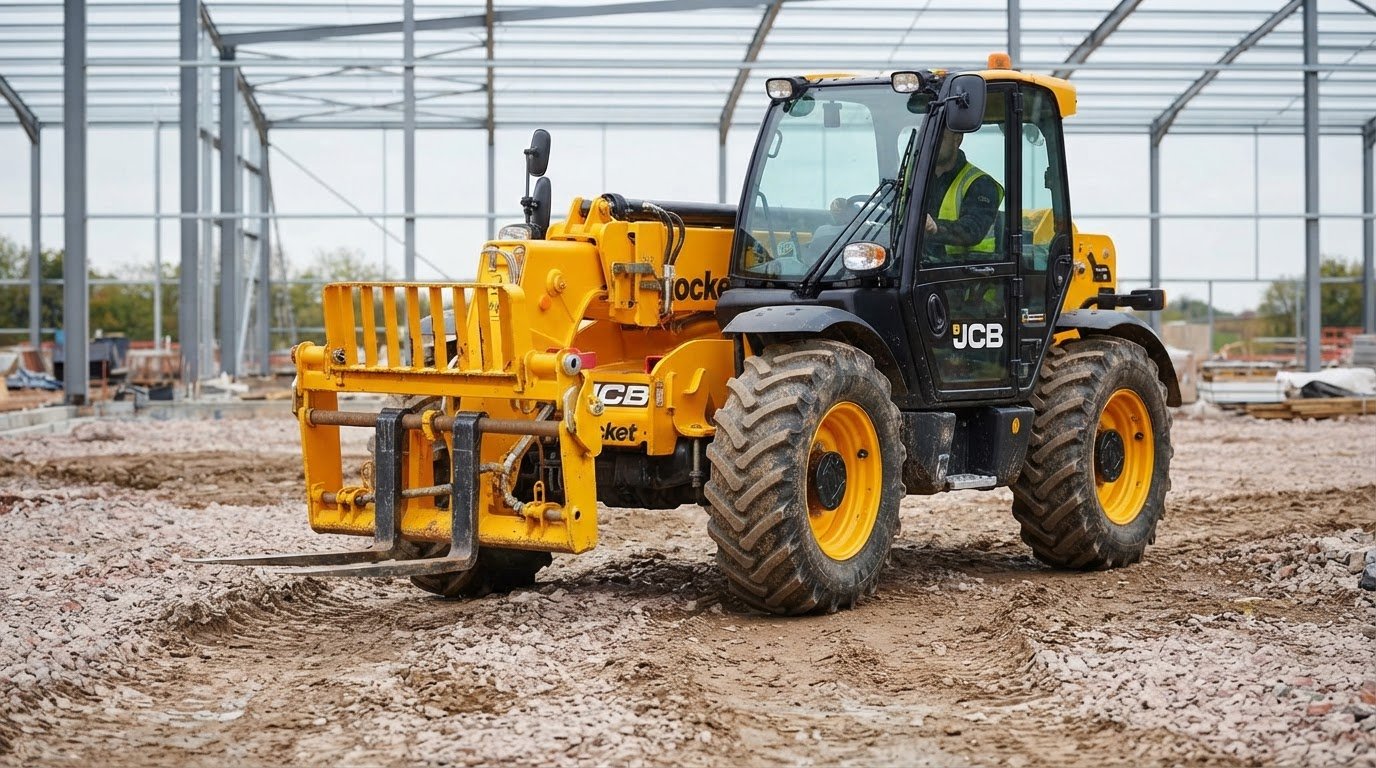
Mobile plant means machinery that can move around a site, such as excavators, dumpers and telehandlers. It can create risks through movement, attachments, loads, exhaust and contact with nearby ground or structures. Safe use starts with matching the machine to the task and keeping people clear of its working area.
Moving parts can strike or trap workers, while ejected material can cause impact injuries. Sharp or rough edges may cause cuts, punctures or abrasions, and machinery moving together can crush someone between components. Keep clear of an excavator’s slew zone and a dumper’s tipping area. Never assume an operator can see you from the cab.
Dust, fumes, noise and vibration can also affect people working near machinery. Plan tasks to limit exposure, control dust at its source and avoid standing in exhaust fumes. Use suitable hearing and respiratory protection where the task assessment identifies those hazards. Hot or cold machine parts, materials and emissions can cause burns or scalds; electrical contact can cause shock and burns.
When using excavators, dumpers and telehandlers, keep people outside operating and loading areas, and use equipment only on suitable ground. Check the route and work area for slopes, weak surfaces, overhead obstructions and underground services before moving or digging. Keep lifting equipment within its safe limits, and don’t lift or travel with loads that block the operator’s view.
Workers around mobile plant should wear reflective high-visibility clothing, zipped up, and follow site traffic controls. Make eye contact with the operator before approaching, but stay outside the machine’s working area. In low light, additional lighting can help operators and pedestrians see hazards; site speed limits also help control vehicle movement.
Mobile plant incidents can involve inexperience, inadequate training, machinery faults, poor visibility or people entering operating zones. Clear routes, safe ground, fitted safeguards and suitable personal protection help address these hazards. Adjust controls when site conditions change, such as when excavation alters the ground or a delivery blocks a vehicle route.
4. Why is maintenance of plant and equipment important?
Regular inspection can reveal wear, leaks or damage before a machine becomes unsafe or unavailable. Operators should inspect hired equipment at the start of every shift, checking for visible defects and following the manufacturer’s instructions. Check tyres or tracks, controls, lights, attachments and fluid levels. Record findings in service records so the site team can track repairs and recurring faults.
Routine maintenance should follow the manufacturer’s schedule and suit the machine’s working conditions. Plan servicing around tasks, parts and access rather than waiting for a breakdown to disrupt work. A trained person should carry out maintenance that requires specialist knowledge. Use the correct instructions and equipment, and keep other workers away from moving parts, hot surfaces and stored energy.
Prepare the work area before maintenance begins. Park on stable ground, lower attachments, switch off the engine and isolate the machine against movement or restart. Set barriers around the work zone, especially where pedestrians or site traffic could pass nearby. Keep access routes clear for the maintenance team, tools and replacement parts. Never work beneath a raised component unless it’s properly supported.
If an inspection reveals a defect, stop using the machine, isolate it and report the issue promptly. Tell the site supervisor what happened, where the fault is and whether the machine was operating. Mark the equipment as unavailable until a competent person has assessed and repaired it. Record the defect and repair, then make sure the machine is fit for work before returning it to service.
After a plant machinery accident or near miss, stop work, make the area safe and get help for anyone injured. Keep people clear of the machine, report the event to the site supervisor, and record what happened. Review the work plan and inspection findings before restarting, so any hazard or failed control is addressed. Plan your next site project with equipment needs and safe working arrangements in mind.
Rocket Rentals
Rocket Rentals helps construction teams source plant hire for planned site work. Its range includes Mini Digger Hire, Excavator hire and Roller Hire, alongside Welfare Unit Hire for site facilities. Equipment is inspected to help you check its safety and condition before work begins. The right machine depends on the task, the working area and how equipment will move around people and other vehicles.
Plan the equipment alongside your site controls: set out safe access routes, operator arrangements and inspection procedures before work begins. This helps you fit machinery into a safe system of work rather than treating hire as a separate decision. As a local, family-run business, Rocket Rentals provides plant hire on a weekly hire basis for construction projects.
If you’re planning site work and need plant hire, contact Rocket Rentals to discuss your requirements.
Make equipment planning part of your next step
Turn the safety arrangements for your next project into practical decisions before work begins. Consider the task, site conditions and equipment movements together, then choose machinery that fits the work area and planned sequence. This makes plant machinery safety on site part of project planning, rather than a separate consideration once equipment arrives.
Rocket Rentals offers Mini Digger Hire, Excavator hire and Roller Hire for construction projects. Choosing plant suited to the job helps you organise work areas and plan how machinery will operate around workers, pedestrians and other site activity. The right choice depends on the task and how the equipment fits your working space.
Use that planning conversation to connect your machinery requirements with the site’s safe working arrangements. Contact Rocket Rentals to discuss equipment for your project and take the next step with confidence.
Frequently Asked Questions
What is mobile plant?
Mobile plant is machinery designed to travel between work locations as part of its task. The term covers different machine types and configurations, not one model or capability. Attachments can change how a machine performs and the space it needs. Include the exact machine-and-attachment combination in the work plan, rather than assessing the base machine alone.
What is the problem?
The central challenge is that a machine’s movement and working limits can conflict with the task around it. A load may shift, an attachment may affect the machine’s working envelope, or a fault may reduce the operator’s control. These conditions can turn routine work into an incident. Manage how the machinery, task and surrounding environment interact.
What should employers do?
Employers should ensure machine-specific instructions are available to operators and safeguards are fitted. For lifting work, retain the relevant thorough examination report, such as a LOLER certificate, with the equipment records. Plan how workers will be assisted if an incident leaves someone trapped or unable to leave a machine. Brief the site team on who raises the alarm and how evacuation will happen.
Why is machinery safety important?
Machinery safety matters because an overturn or ejection can expose an operator to severe harm. In a machine fitted with a roll-over protective structure (ROPS), wearing the seatbelt helps keep the operator inside the protected cab during an incident. Cab protection and safe operating practices need to work together, particularly where machinery operates near shared access routes.
Why is maintenance of plant and equipment important?
Wear can affect how reliably controls and safety systems respond, even if a machine still starts and moves. After repairs, the hand-back should confirm that guards are refitted, tools and materials are removed, and operation has been checked before work resumes. This final step helps prevent maintenance from leaving a new hazard when the machine returns to service.
What does a plant machinery risk assessment need to cover on site?
Record who may be affected, how exposure could arise and which measures will control it. Break the task into stages, such as arrival, set-up, operation, attachment changes and removal, because hazards can differ at each point. Assign responsibility for each control and state what changes should prompt a review, such as a different machine, task or site arrangement.
Comments