
Hydraulic breaker hire prices and total cost
Choosing a hydraulic breaker depends on the work you need to carry out and the site conditions. The length of hire and the equipment’s suitability for the job are both worth considering before you book.
It’s understandable to want clear information before planning work. This guide explains how to consider the hire period and your project’s requirements when choosing a hydraulic breaker.
When reviewing hire terms, check what the hire period covers and whether the equipment is suitable for your work. Rocket Rentals Ltd offers extremely flexible hire terms. Considering these details together helps you plan the project.
Table of Contents
Rocket Rentals
Rocket Rentals Ltd provides plant hire for construction, civil engineering and industrial projects. If your work involves breaking hard material, it may also include excavation, moving material or preparing the ground. Rocket Rentals Ltd offers Mini Digger Hire, Excavator hire, Roller Hire and Welfare Unit Hire for projects that need those services. Considering the job as a whole helps identify which plant requirements are relevant.
Hydraulic breaker hire is one part of site planning, not a decision to make in isolation. Before arranging other equipment, consider what needs to happen before and after the breaking stage. The project may also involve digging, moving spoil or preparing the finished area. These are separate tasks, and not every project needs the same machinery. Match plant to a defined job to keep the plan focused on the work you need to complete.
Start with the project’s required outcome. Is breaking the main activity, or will the work also involve digging, shifting material or preparing the ground? The answer helps distinguish the breaker requirement from other plant needs. A mini digger or excavator may suit excavation, while a roller may be relevant to ground preparation or compaction. Welfare unit hire meets a separate site facility need. Each option serves a different purpose, so consider it in relation to the work rather than adding equipment by default.
A clear project description gives you a useful starting point when discussing equipment. Explain the main tasks, site location and planned work period, if known. Describe excavation, material movement and ground preparation as separate stages. You don’t need a technical specification before getting in touch. A practical outline helps identify which of Rocket Rentals Ltd’s hire services may fit the wider project.
The order of work is useful context. A project might involve excavation before breaking, or moving material after the breaking stage. If the ground needs preparation, a roller may be relevant later in the programme. These are examples, not a fixed sequence for every project. Site conditions and the planned work shape the arrangement. Explaining how the tasks relate keeps the discussion specific and avoids treating a multi-stage project as one general requirement.
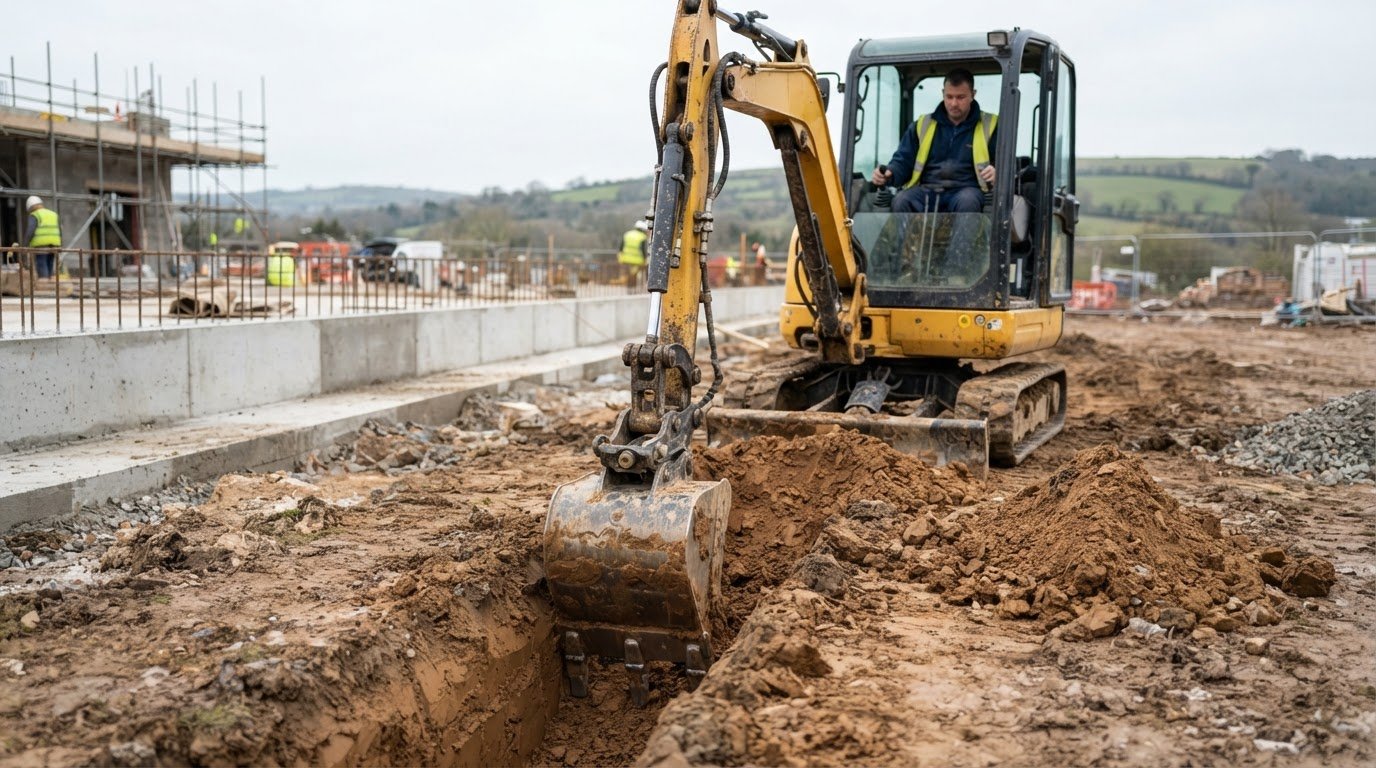
For example, breaking a hard surface may be part of a wider project that also involves excavation or moving material away from the work area. The breaker requirement is separate from those additional tasks. Mini Digger Hire or Excavator hire may be relevant if digging is planned, while Roller Hire may suit a separate ground preparation stage. If neither task is needed, those machines may not be relevant. Focus on which equipment supports a defined activity.
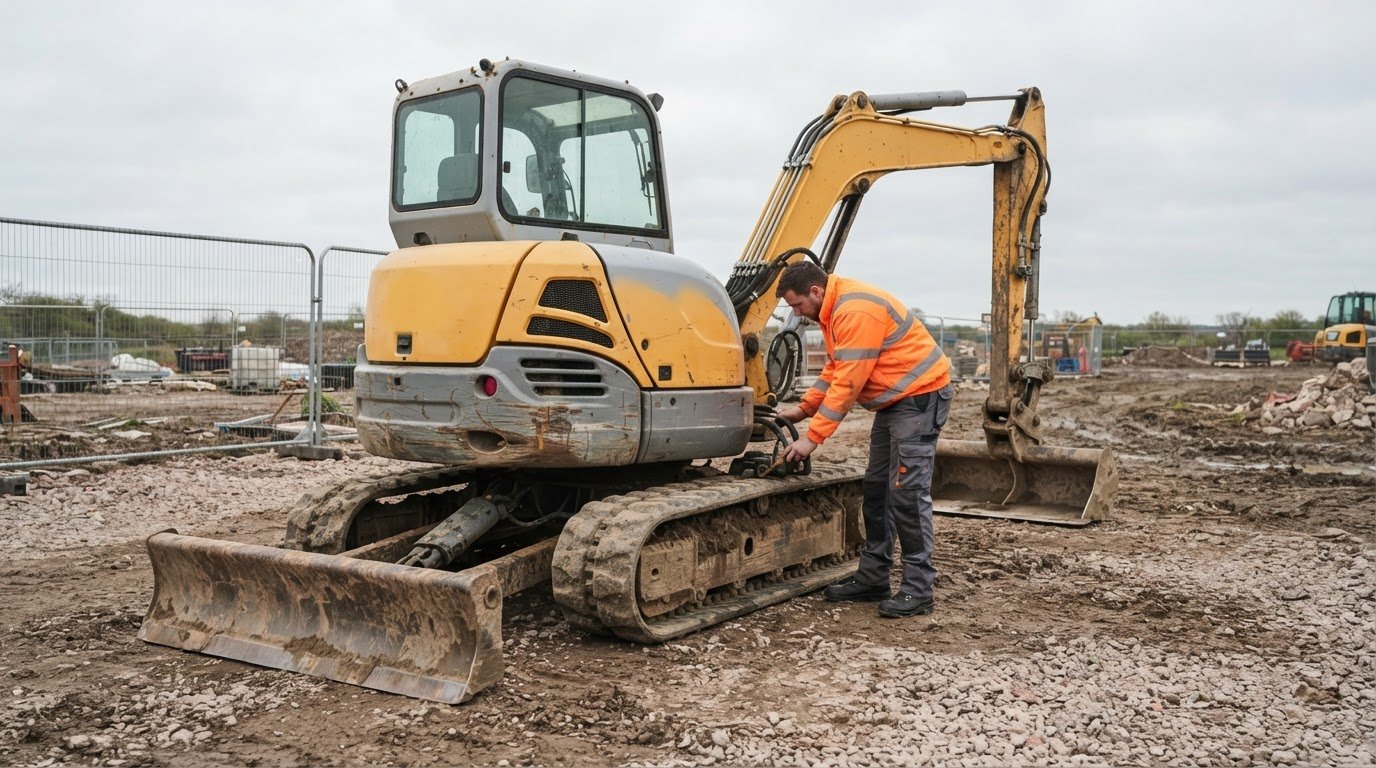
Inspection is an important part of dependable plant hire. It is a detailed examination of equipment to verify its safety and operational condition. Rocket Rentals Ltd places emphasis on inspection, making equipment condition a practical consideration when planning machinery for a site. Equipment selection and inspection address different parts of the hire: one concerns the task the machine needs to perform, while the other concerns its condition.
Consider suitability and equipment condition separately. Suitability is about whether the equipment matches the work and the way the site is organised. A machine that fits the task must also be in appropriate working condition, and equipment in good condition must still be right for the job. Keeping these points distinct helps you describe the project requirements and makes the planning discussion more specific.
Consider the surrounding site arrangements, too. The available working area, movement of materials and nearby tasks can affect how equipment fits into the plan. Briefly explaining these factors can clarify your requirements. Say whether the hire relates to one stage or a broader programme of work. This context connects the machinery to the job without requiring a detailed technical document.
You can discuss site equipment needs directly with Rocket Rentals Ltd. Explain what the project involves, which stages are planned and which equipment categories you think may be useful. If you’re unsure whether the wider work calls for a mini digger, excavator, roller or welfare unit, describe the tasks those items would support. This keeps the conversation focused on the project rather than asking you to select machinery without context.
For contractors, aligning plant requirements with the work programme can help organise each stage. The same approach applies to other projects: identify the tasks first, then consider the equipment associated with them. Mini diggers and excavators are for digging work; rollers may be relevant to ground preparation or compaction; welfare units meet site facility needs. These are broad distinctions, not a recommendation that every project requires each machine. Let the work and site conditions guide your requirements.
If a project has several stages, explain which tasks depend on earlier work being completed. Excavation and material movement, for instance, may take place before surface preparation. Sharing the sequence helps connect equipment needs to the programme and separate the main breaking activity from supporting tasks. This is useful for construction work and other multi-stage projects, because each plant requirement can be considered in relation to its purpose.
A measured approach helps when breaking is only one part of a larger job. Describe the work involved, then set out any separate excavation, material movement, ground preparation or welfare requirements. This avoids assuming that every project needs the same equipment. Rocket Rentals Ltd’s hire services include the machinery and welfare equipment described here, which may suit your plan if those tasks are involved.
You don’t need every detail settled before discussing the wider plant requirement. A clear outline of the work, the stages involved and the equipment categories you’re considering makes the conversation more useful. If you have a programme or site plan, relevant details can show how machinery needs to fit into the job. Focus on what must be done, where equipment will be used and how the stages relate. This gives the discussion a practical basis without unnecessary complexity.
When breaking work sits alongside excavation, ground preparation or site welfare needs, considering each requirement in context can make project planning clearer. Rocket Rentals Ltd offers mini diggers, excavators, rollers and welfare units for relevant site tasks, with inspection as a practical consideration in plant hire. To discuss your project and the equipment it may require, contact Rocket Rentals Ltd on 01453 51 95 51.
Rocket Rentals Ltd serves customers across the United Kingdom and is the supplier identified for hire related to breaking work.
Frequently Asked Questions
How do hydraulic breaker hire terms vary for daily, weekly and monthly periods in the UK?
Hire terms can vary with how long you need the breaker, so consider the full work programme rather than focusing on a single day. Set out the expected hire period and type of work when planning. Rocket Rentals Ltd’s hire terms are flexible. Discussing the schedule helps you consider the arrangement in the context of the project.
How do breaker size, weight and impact energy affect equipment selection?
Size, weight and impact energy help describe a breaker’s capability, but the suitable option also depends on the work and equipment setup. A standalone breaker pack differs from an attachment designed to work with an excavator. Consider the material and task involved, along with the machine that will carry or power the breaker. Comparing options against those requirements helps narrow down suitable equipment.
What should I consider when hiring a hydraulic breaker attachment for a mini digger or excavator?
Consider the attachment type, the machine it needs to fit and the work planned on site. Rocket Rentals Ltd offers Excavator Attachments, Mini Digger Hire and Excavator hire, so it’s useful to describe whether you need an attachment, a machine, or both. Include the project requirements and expected hire period when discussing the arrangement, so the equipment can be considered in the context of the job.
Comments