
HSE construction site welfare requirements: what to provide
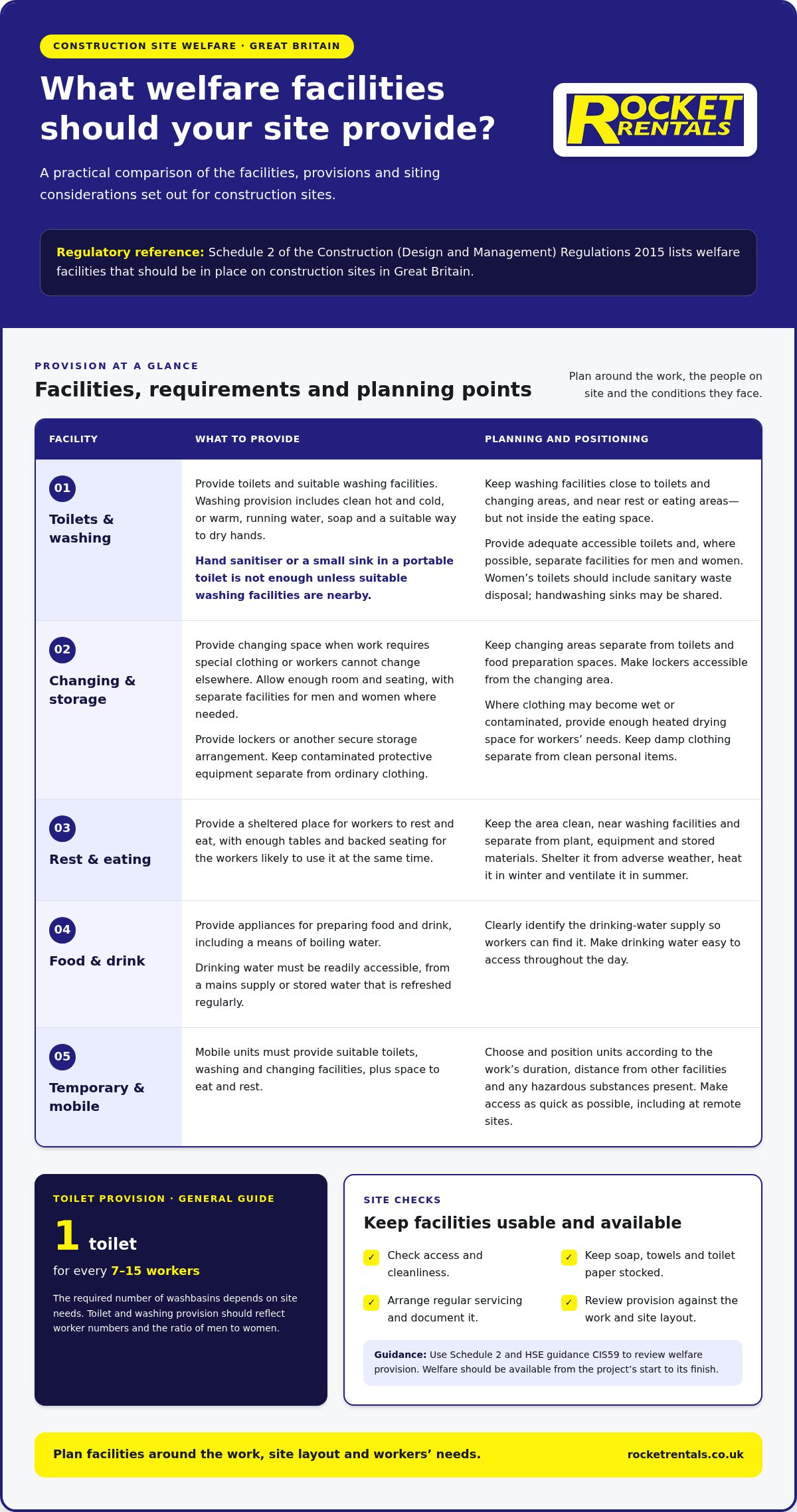
Welfare facilities are a basic requirement on construction sites, not an optional extra. The HSE construction site welfare requirements include toilets, washing facilities, somewhere to change, and suitable places to rest and eat. Schedule 2 of the Construction (Design and Management) Regulations 2015 lists the facilities that should be in place on construction sites in Great Britain, according to UK legislation.gov.uk.
Working out what that means for your site involves more than counting toilets. Facilities must suit the work, the people on site and the conditions they face. Drinking water should be readily accessible, and clothing storage should be available where needed.
This guide explains the minimum provisions for washing, changing and rest, as well as drinking water. Understanding HSE construction site welfare requirements can help you plan suitable facilities around your site’s work and layout.
Table of Contents
What are the minimum welfare requirements on construction sites?
Schedule 2 of the Construction (Design and Management) Regulations 2015 lists the welfare facilities that should be in place on construction sites in Great Britain, according to UK legislation.gov.uk. The minimum provision covers toilets, washing, changing, rest and eating facilities.
Rest and eating areas
A rest and eating area is a sheltered space where workers can take breaks and eat meals. Drinking water must also be readily accessible, either from a mains supply or from stored water that is refreshed regularly. Provide enough tables and backed seating for the workers likely to use the space at the same time. Keep it clean, near washing facilities and separate from plant, equipment and stored materials.
Facilities for heating food
Food-heating facilities allow workers to warm meals and prepare hot drinks during breaks. Provide appliances for preparing food and drink, including a means of boiling water. The rest area should be sheltered from adverse weather, heated in winter and ventilated in summer. These provisions make a canteen or shared rest room practical throughout the working day, not just a place to sit.
Temporary and mobile welfare facilities
Temporary and mobile welfare facilities provide essential provisions when fixed facilities are unsuitable. Choose and position them according to the work’s duration, distance from other facilities and any hazardous substances present. Make access as quick as possible, including at remote sites where traffic or distance could delay workers. Mobile units must provide suitable toilets, washing and changing facilities, and space to eat and rest. In specialised industrial settings where hot work takes place near hazardous materials, modular safety enclosures from providers such as PetroHab are similarly utilised to isolate operational risks.
Welfare checklist and guidance
Use Schedule 2 and HSE guidance CIS59 to review welfare provision against the work and site layout. A practical check should cover access, cleanliness, stocked soap and towels, toilet paper, and regular servicing. If facilities are missing or poorly maintained, workers may lack suitable places to wash, change, eat or rest, and site arrangements may fall short of requirements. Address gaps promptly and keep servicing arrangements documented.
Washing facilities and hand hygiene
Suitable washing facilities allow workers to clean their hands and forearms after tasks and before eating. The number and layout should reflect the workforce and the work being carried out.
How many toilets and washing facilities are needed depends on worker numbers and the ratio of men to women. As a general guide, construction sites should provide at least one toilet for every 7-15 workers; the required number of washbasins also depends on site needs.
Welfare facilities must be available while construction work is under way. The principal contractor should ensure suitable welfare is in place from the project’s start to its finish. Contractors must provide for the workers under their control on site.
Facility positioning and access
Position toilets, washing facilities and changing areas where workers can reach them readily. Place washing facilities next to toilets and changing rooms, and near rest or eating areas, but not within the eating space. This makes handwashing practical after using the toilet or handling materials such as cement, lead or micro-organisms.
Provide clean hot and cold, or warm, running water, soap and a suitable means of drying. Hand sanitiser or a small sink in a portable toilet is not enough unless suitable washing facilities are nearby.
Facilities for different workers
Facilities for different workers must be suitable and accessible to the people using the site. Provide adequate accessible toilets and, where possible, separate facilities for men and women. Women’s toilets should include sanitary waste disposal, while handwashing sinks may be shared.
Plan the layout around workers’ access needs, headcount and the ratio of men to women. If the work involves hazardous substances, assess whether showers or additional washing facilities are needed. Thorough cleaning after tasks involving cement, lead or micro-organisms may be particularly important.
Changing rooms, lockers and clothing storage
Changing and storage provision should reflect the clothing workers need for their tasks. Where workwear is special or workers cannot change elsewhere, provide suitable space and secure storage to keep personal clothing separate from work equipment.
Changing facilities
Changing facilities are designated areas where workers can put on or remove work clothing. They are important when tasks require special clothing or workers have no suitable alternative place to change. Provide enough space and seating, and separate facilities for men and women where needed. This supports privacy and avoids using rest or eating areas for changing.
Consider the work when planning the space. Workers handling contaminated materials, for example, may need to change without transferring contamination to everyday clothing or meal areas. Keep changing provision separate from toilets and food preparation spaces so each area serves its intended purpose.
Clothing storage and drying
Clothing storage gives workers a secure place for workwear, personal belongings and everyday clothing. Provide lockers or another secure arrangement suited to the site. On a smaller site, a site office or van may provide storage. Keep contaminated protective equipment separate from ordinary clothes to reduce the risk of transferring dirt or substances.
Drying facilities give wet workwear a suitable place to dry between shifts. Where clothing could become wet or contaminated, provide enough heated drying space for workers’ needs. A combined changing and drying room can be practical if it has adequate space and keeps damp clothing separate from clean personal items.
Plan the layout around the work and the people using the facilities. Keep lockers accessible from the changing area, allow room for workers to sit, and ensure wet boots or outerwear can dry without obstructing access. These practical details help make the welfare arrangements required by construction regulations work on site.
Drinking water
Workers must have access to drinking water on construction sites. The supply should be safe, clean, readily accessible and clearly marked, so workers can identify it during the working day. A mains connection can provide water; where stored water is used, refresh it regularly and manage the temporary supply in line with BS 8551:2015.
Access matters as much as the water source. Locate drinking water where workers can reach it without unnecessary delay, including at remote or changing work areas. If workers must leave their work area to refill a bottle, consider whether the route and distance make water genuinely easy to access. Site layout and work locations can affect where additional drinking points are useful.
Make the supply clear and usable. Mark drinking-water taps or containers so workers do not confuse them with water for washing, dust control or other site tasks. Refresh stored water regularly and provide cups unless workers drink from a fountain or similar source. These steps keep the purpose of each supply clear during busy site operations.
A drinking fountain should also be designed to reduce contamination. In Great Britain, its jet nozzle should sit at least 25mm above the bowl’s spill-over level and be shielded from contamination by users’ mouths. This detail helps distinguish a suitable fountain from an open outlet that could be contaminated through contact.
Include water provision when planning welfare units, rest areas and site changes. Moving a work zone, for example, may make an existing drinking point inconvenient even if the water source is still available. Check water access routinely alongside essential welfare supplies such as soap and towels. Clear signs and a well-positioned supply make water easier for workers to use.
For a site that needs welfare provision alongside accessible drinking water, plan your welfare unit requirements as part of the site set-up.
Rocket Rentals: Mini Digger Hire
Rocket Rentals Ltd offers Welfare Unit Hire for construction projects requiring on-site welfare provision. A welfare unit can support your site set-up alongside the separate facilities and arrangements needed to meet welfare standards. Choose a unit to suit the work, site layout and workers’ needs, including access to washing, changing, rest and eating areas.
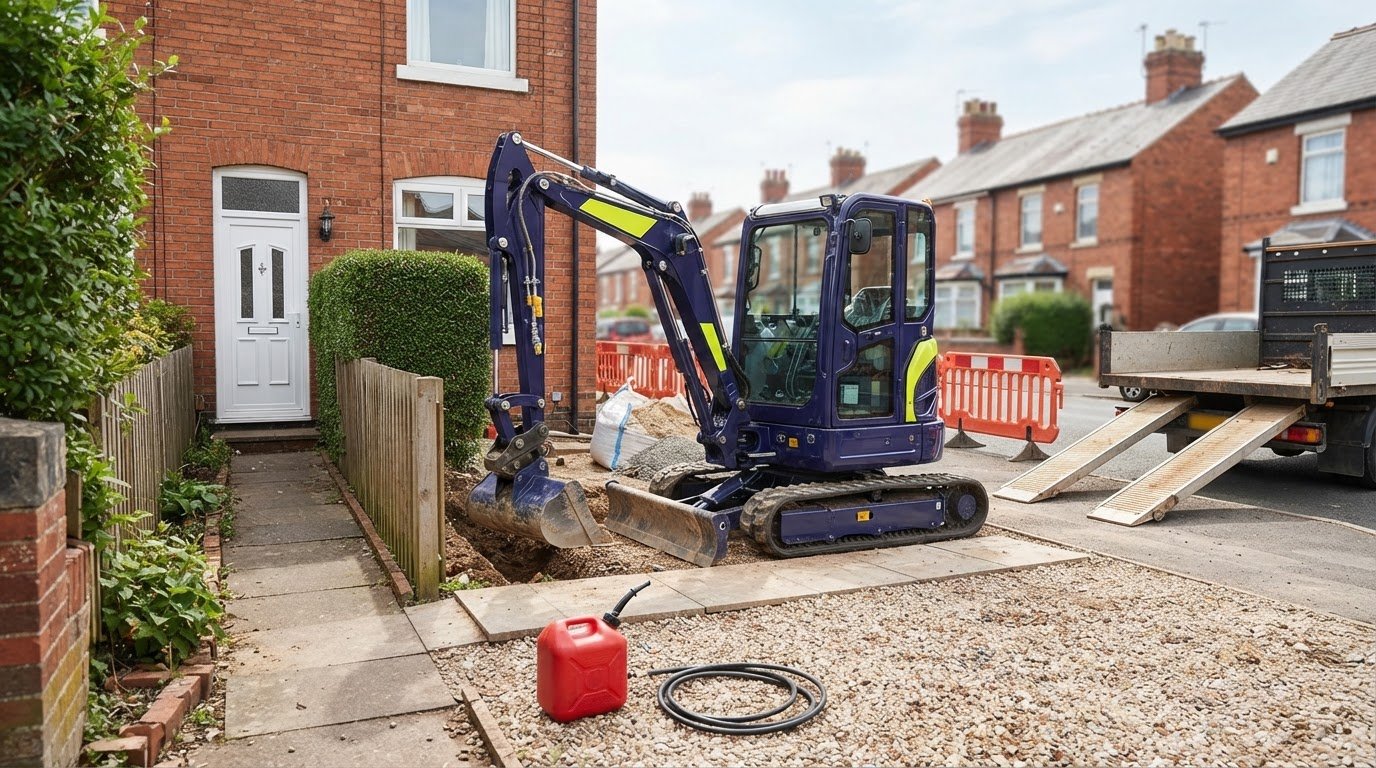
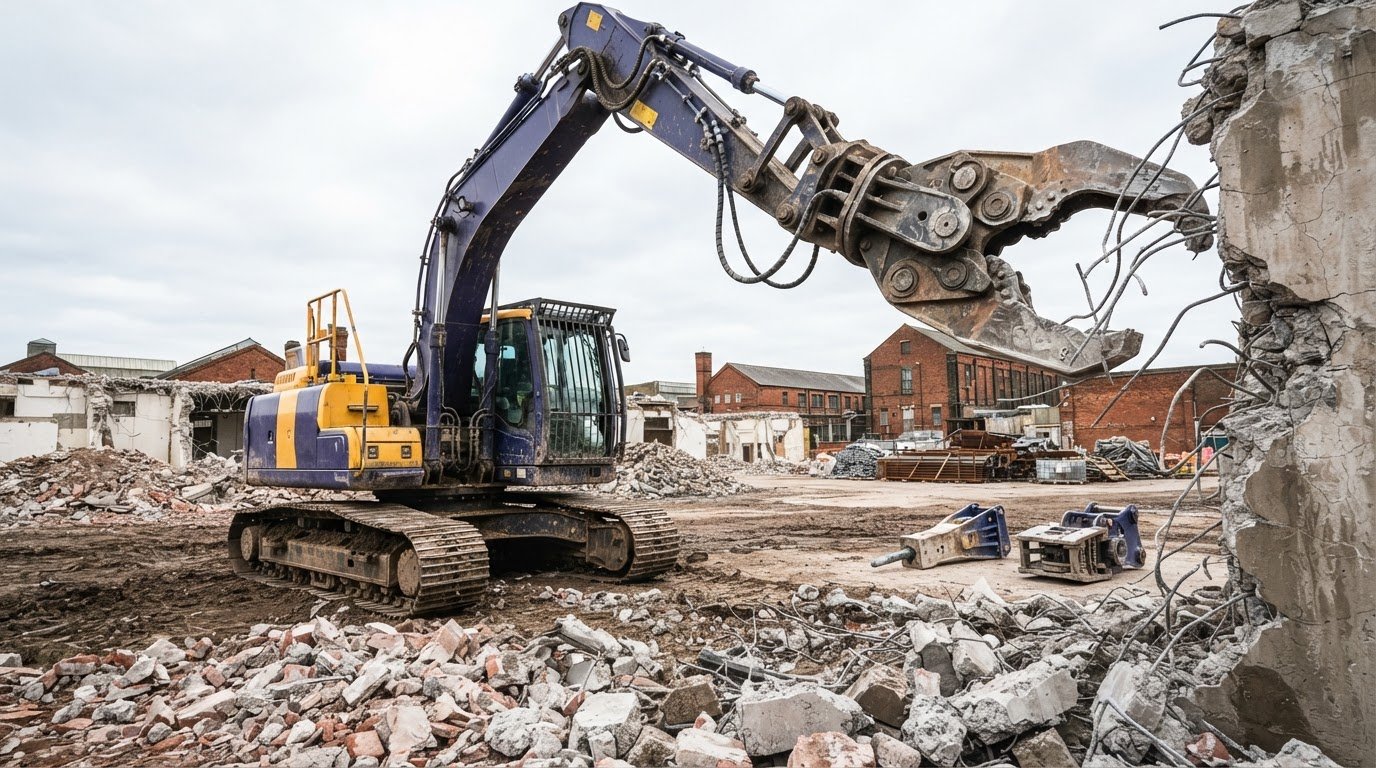
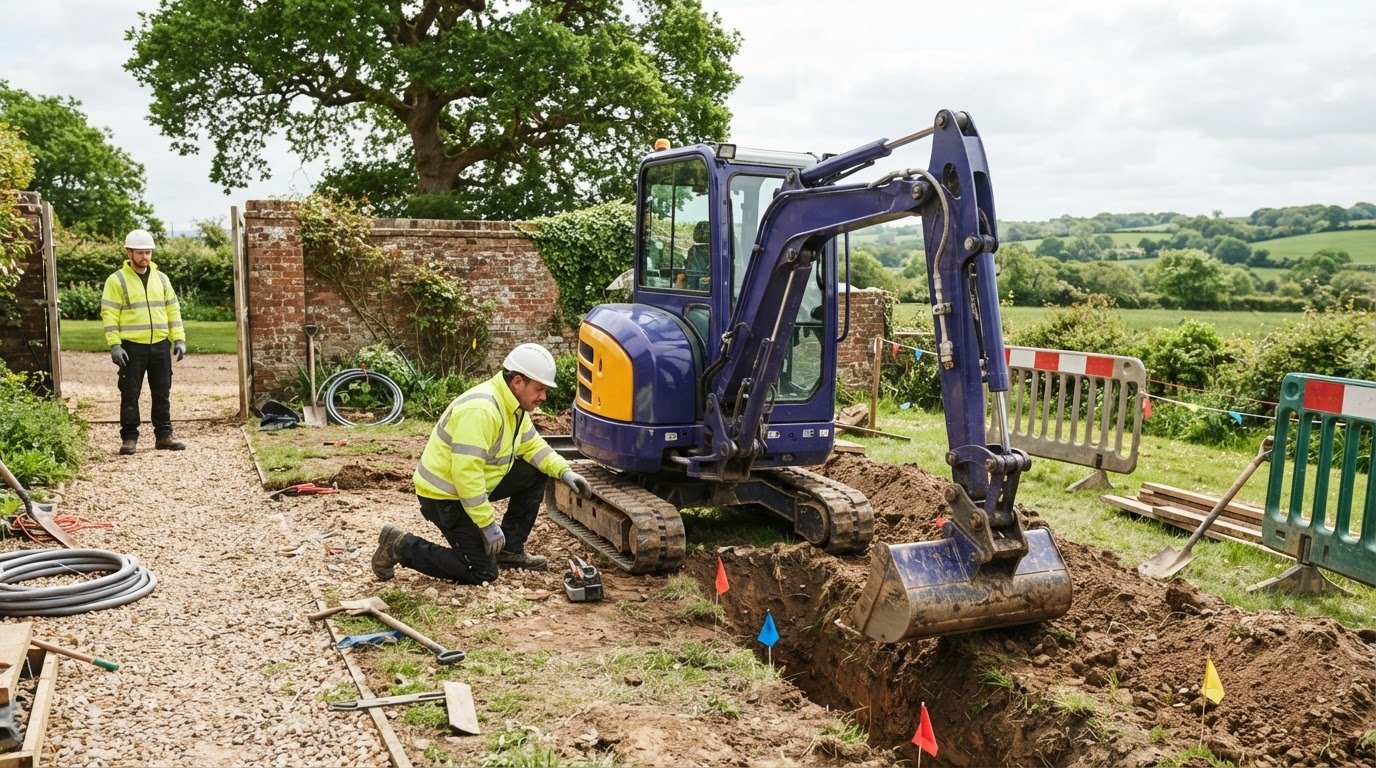
For earthmoving and ground preparation, Rocket Rentals Ltd also offers Mini Digger Hire, Excavator hire and Roller Hire. These plant hire options can support different stages of a construction project, while welfare planning remains a separate part of preparing the site. Consider both the equipment the work requires and the facilities workers need during the day.
To discuss welfare unit hire or other equipment for your project, contact Rocket Rentals Ltd.
Make welfare planning part of your site set-up
Plan welfare provision before work begins, then review it as the workforce, work areas or project conditions change. This keeps arrangements practical for the people using them and avoids treating welfare as an afterthought. Use HSE construction site welfare requirements as a planning reference alongside your wider project decisions.
Rocket Rentals can support your project’s equipment needs with Mini Digger Hire, Excavator hire and Roller Hire. When preparing the site, consider how plant and welfare arrangements fit together, particularly if changing work areas affect access and layout.
For help with welfare provision for your project, contact Rocket Rentals about site welfare. A considered plan is a sound start to a well-organised site.
Frequently Asked Questions
What are HSE Welfare Facilities?
HSE welfare facilities are the provisions that support workers’ basic needs during the working day. They are distinct from the tools and machinery used to complete construction tasks. Assess whether workers can use the facilities provided without leaving the site or disrupting essential site arrangements. Suitability depends on the workforce, the tasks involved and the conditions workers encounter.
What welfare facilities are required on a UK construction site under CDM 2015?
CDM 2015 requires suitable welfare arrangements for construction work in Great Britain. Existing facilities, such as public toilets or a local café, may be used if access is properly agreed for whenever workers are on site. Arrangements must also keep those facilities clean and supplied. This can be a practical option where a site can rely on nearby premises throughout the work.
What toilets and washing facilities must construction sites provide?
Toilets for men and women may be shared if they are in a lockable room separate from urinals. Unisex showers may also be shared if they are in a separate, lockable room for one person to use at a time. These conditions help determine whether shared facilities suit the site layout and workforce, rather than relying only on the number of cubicles available.
What changing rooms and storage facilities are required for construction workers?
A useful consideration is whether workers’ clothing counts as special clothing for the work. A 1999 tribunal case described it as clothing not ordinarily worn outside work and designed to relate to the employee’s work. This distinction can help identify when changing provision is needed. Consider the clothing required for each task, rather than assuming every worker has the same changing needs.
Who is responsible for providing construction site welfare facilities under CDM 2015?
CDM 2015 assigns duties to clients and contractors. Regulation 4(1) places a duty on clients to make suitable arrangements for managing a project. Under regulation 15(11), contractors must, so far as reasonably practicable, ensure Schedule 2 requirements are met for their work and workers under their control. Regulation 7 transfers a domestic client’s duties to others, helping clarify responsibility on domestic projects.
What happens if a construction site fails to provide required welfare facilities?
The site may fall short of welfare requirements, leaving workers without suitable places to wash, change, eat or rest. Work lasting more than 30 days or involving more than 500 person-days must not start until suitable welfare facilities are in place.
Comments