
How to choose an excavator attachment that fits
Excavator attachments aren’t universal: the right fit depends on the machine’s coupler and pin dimensions, hydraulic capability, bucket requirements and lifting capacity. This excavator attachment compatibility guide explains how to check these factors, including why operating weight alone isn’t enough to determine whether an attachment is suitable.
It’s easy to assume an attachment will fit because it’s made for a similar-sized excavator. But even small differences in the connection, or an attachment that’s too heavy, can affect fit, stability and performance.
Read on to learn how to match hydraulic flow and coupler type, choose a bucket for the task and material, and compare attachment weight with the excavator’s capacity at the working radius. You’ll have a practical sequence to follow before choosing an attachment for your job.
Table of Contents
How Do Hydraulic Flow and Couplers Affect Attachment Choice?
Match the attachment’s hydraulic demands to the excavator’s auxiliary connection, then compare its weight with the machine’s lifting capacity at the working radius. Operating weight alone doesn’t show whether the excavator can safely lift an attachment.
Check auxiliary flow, pressure and return requirementsRead the attachment specifications and match its required auxiliary flow, hydraulic pressure and return path to the machine. Typical excavator auxiliary flow is 15 to 25 GPM, with pressure of 2500 to 3500 psi; these figures are a guide, not a substitute for matching the specific equipment. Total pump flow doesn’t show how much reaches the auxiliary ports. Avoid operating outside the attachment’s permitted range, as excess demand can cause poor performance and heat build-up.
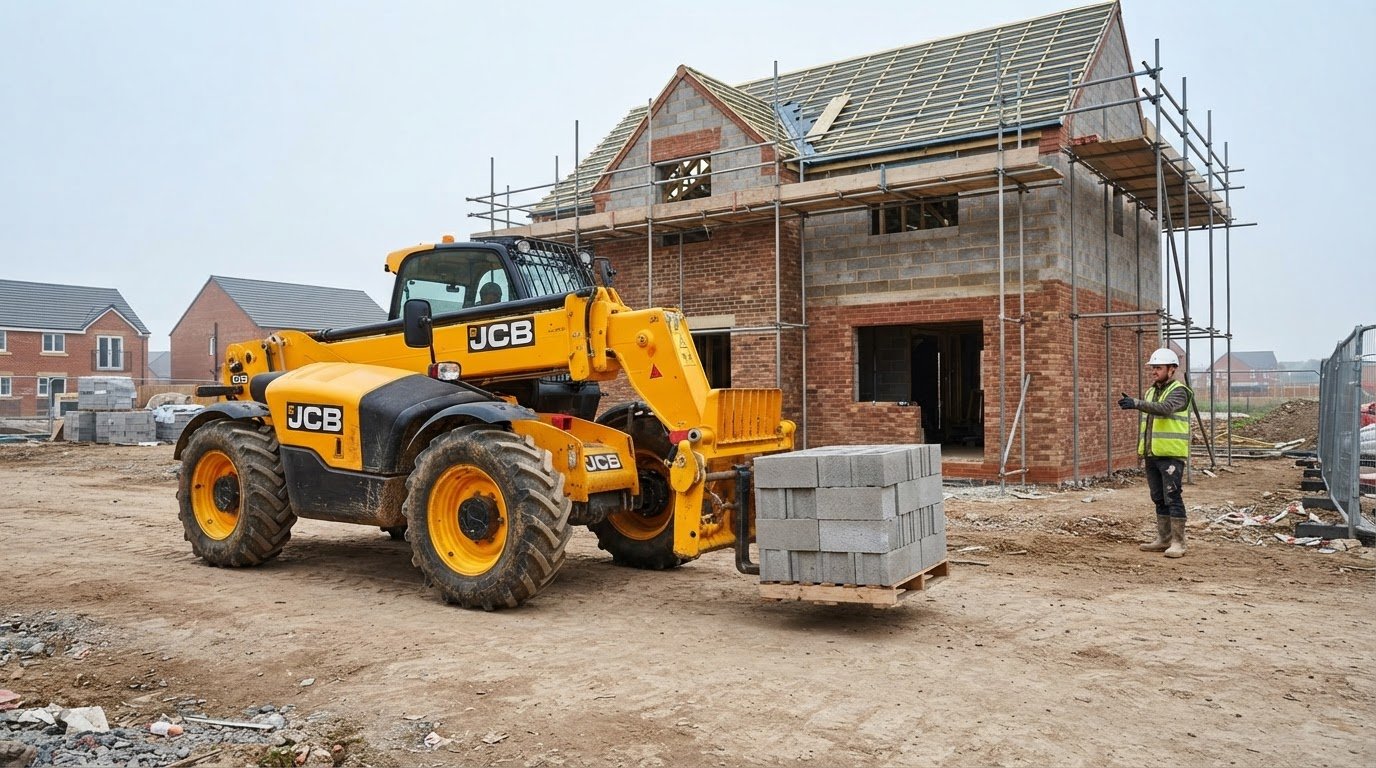
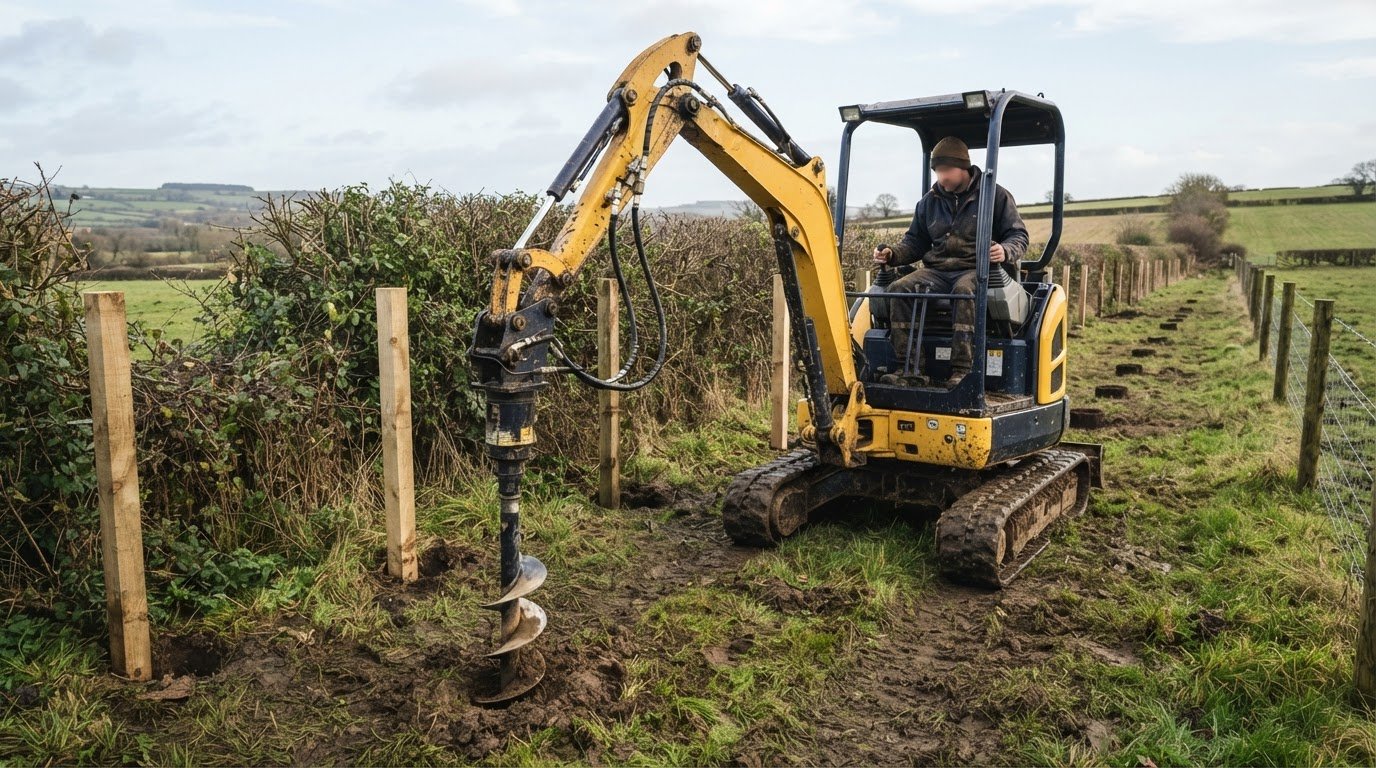
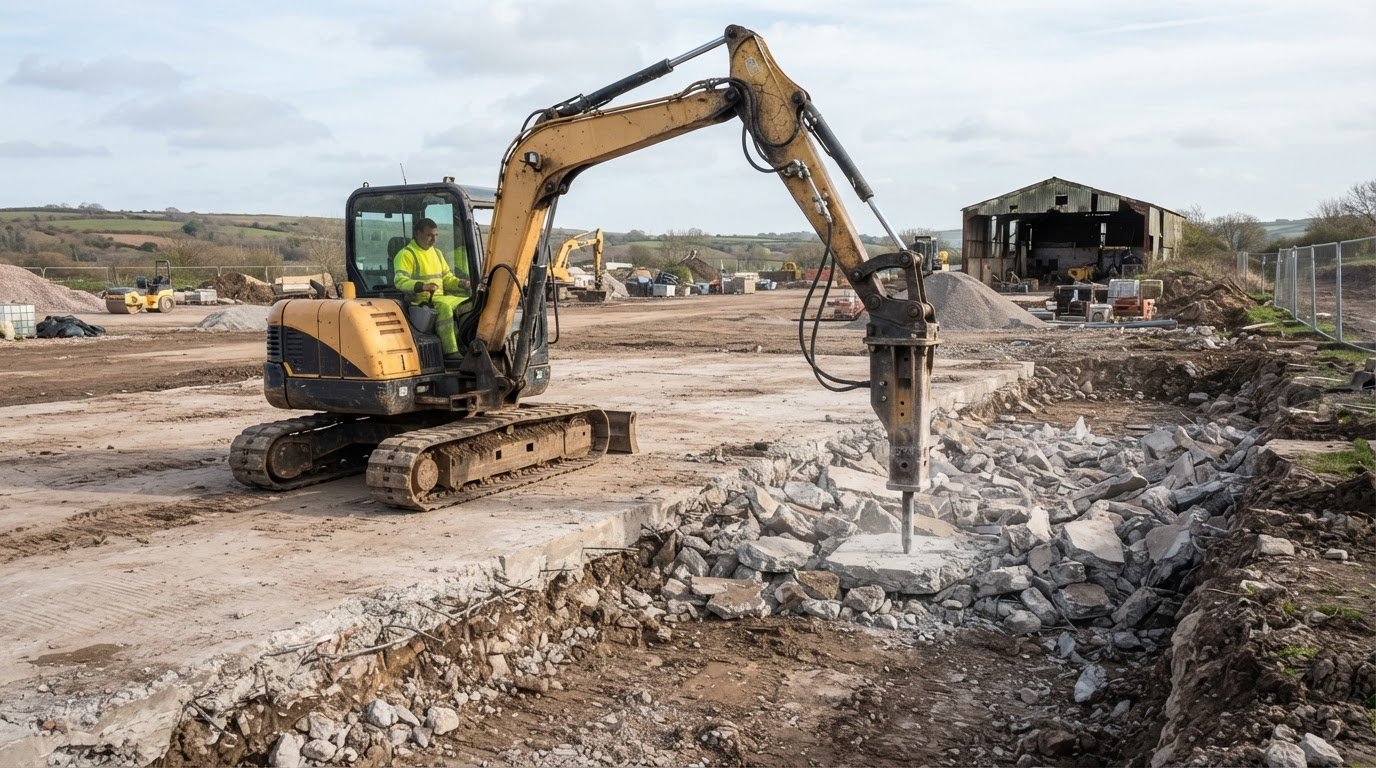
Match hydraulic requirements to attachment typesChoose the attachment by task, then check its flow, torque or control requirements. Mini excavator breakers usually require 10-20 GPM; hydraulic hammers and breakers break concrete and rocks. Match an auger drive to flow and torque at working speed. A hydraulic thumb needs a suitable circuit and controls, whilst a grapple uses the auxiliary line; both need clearance through bucket movement. A second-function attachment also needs controls that operate it without slowing the boom or dipper.
Inspect the connection, hoses and attachment before use, and follow the servicing requirements. Check hydraulic breakers for case-drain restrictions, which can contribute to failure. Mini excavator breakers need regular nitrogen pressure checks and correct storage orientation. Never search for a hydraulic leak by hand: a small, high-pressure leak can inject fluid through the skin. Stop work if you find a fault.
Compare attachment weight with the excavator’s lift capacity at the working radius, not its operating weight alone. The machine’s weight matters, but it doesn’t confirm lifting capacity at every reach. Use the manual’s lifting information alongside the attachment’s hydraulic requirements. Correct matching helps prevent poor handling, particularly during digging or trenching when the attachment is extended.
Mechanical vs hydraulic quick couplers: which matters for attachments?
Check the excavator’s make and model against its compatibility chart, then match the coupler and pin dimensions. Mechanical and hydraulic quick couplers are both used in the UK, but they aren’t automatically interchangeable.
Identify the coupler type and locking systemIdentify whether the machine has a mechanical or hydraulic coupler, then check how it locks. Mechanical couplers are lighter and simpler to maintain; for mini excavators changing buckets twice a day or less, they may suit the work. Hydraulic couplers add weight and need an additional hydraulic circuit. Match that circuit to the machine, especially when using a hydraulic breaker.
Check coupler interfaces against the machineCompare the coupler interface with the excavator’s make and model compatibility chart, then check pin diameter and dipper pin centres. Mini excavator attachments aren’t automatically interchangeable across brands because dimensions and coupler types vary by manufacturer and model. A pin-centre mismatch of just 5 millimetres can prevent an attachment seating correctly, so don’t rely on machine size or appearance alone.
Verify coupler standards and safety checksConfirm the interface standard and the coupler’s locking indicators before use. ISO 21415 defines a common quick-coupler interface; ISO 13031 is also cited as a quick-coupler certification reference. EN474-1 sets design and testing requirements for quick-release attachment systems. Check for independent secondary retention and a visible lock-engagement indicator, and keep inspection and maintenance records. Operators need training for the specific model.
Change attachments using the quick couplerUse the coupler’s operating procedure for every attachment change, then confirm the lock is engaged before working. Mechanical changes take 8 to 12 minutes and require leaving the cab. A quick coupler simplifies switching between buckets and other tools, but the attachment still needs a matching interface. For job planning, consider excavator attachments alongside the machine’s coupler type.
Bucket geometry, capacity and material suitability
Excavator buckets aren’t universal: fit depends on the attachment dimensions and the excavator connection. Match the geometry first, then choose the bucket’s capacity and type for the material and task.
Measure pin diameter, spacing and dipper widthMeasure the bucket’s pin diameter, pin centres and dipper gap in millimetres, then compare all three with the excavator’s measurements. These dimensions determine whether the bucket fits the arm. Use vernier callipers to measure pin diameter, or measure inside the hanger hole. Measure pin centres from the front edge of one pin to the front edge of the other. Account for wear: a used bucket pin may have lost a few millimetres.
Compare bucket geometry, width and capacityChoose bucket width and capacity to suit the excavator’s reach, the material and the task. A wider bucket moves more material per pass, but its load and geometry must suit the machine. An oversized bucket can increase tipping risk and endanger the operator and nearby people. A narrow digging bucket also needs enough dipper gap to clear the excavator arm, so width alone doesn’t establish compatibility.
Match bucket types to excavation and material needsChoose a digging bucket for excavation or trenching, and a ditch-cleaning bucket for shaping or clearing a ditch. A heavier-duty bucket may suit hard, compacted soil, while softer dirt may need a lighter implement. A skeleton bucket separates stones and aggregates, including in water, and can recover soil. A grapple bucket helps hold objects during landscaping or construction work. Match the bucket’s capacity and design to the material, rather than choosing by appearance alone.
Although excavator buckets aren’t universally compatible, some fitments work across different machine makes and models. Don’t assume cross-brand compatibility: check the attachment dimensions and excavator connection before choosing a bucket. A heavier-duty attachment may suit hard, compacted soil, while soft dirt may only require a lighter implement.
Excavator operating weight and attachment tonnage classes
Use operating weight to narrow your options, then check the excavator’s lift capacity at the working radius. This excavator attachment compatibility guide treats tonnage as a starting point, not proof that a machine can lift every attachment in its class.
Establish the excavator operating weightFind the operating weight in the machine manual, including the operator, fuel and standard bucket. Then check the maximum lift capacity at the attachment’s working radius. A mini excavator’s capacity changes as the arm extends, so operating weight alone can’t confirm suitability. Use the manufacturer’s lifting information before choosing a heavier attachment or planning lifting work.
Match attachment tonnage class to machine sizeMatch the attachment rating to the excavator’s operating weight class. Mini excavators are under 3 tonnes; compact machines are 3-6 tonnes, small machines 6-10 tonnes, medium machines 10-18 tonnes and large machines 18-30 tonnes. These classes help narrow the choice, but don’t replace the machine manual. An attachment that’s too heavy can affect stability and handling.
Use the attachment’s rated weight as another check. A typical guide recommends an attachment weighing 5% to 10% of the excavator’s operating weight, but the machine’s lift chart remains essential. An undersized attachment can create structural risks; an oversized one can affect stability. Check dimensions, pin diameter and coupler fit separately, since matching tonnage doesn’t establish a correct connection. In an excavator attachment compatibility guide, tonnage is only one part of the assessment.
Compare compatibility by make, model, dimensions and rating, not by brand name alone. Attachments aren’t automatically interchangeable across manufacturers. Coupler classes offer another reference: S-40 couplers are intended for 1-4 ton machines, S-45 for machines weighing 5-6 tons, and S-50 for machines weighing 7-10 tons. Prioritise the specified operating weight and lift capacity.
Need an excavator and a suitable attachment for your work? Explore excavator attachments alongside your machine requirements.
Rocket Rentals: Excavator Attachments
Rocket Rentals Ltd supplies excavator attachments to help you equip a machine for the task. When hiring an attachment, share the excavator’s make and model, coupler type, hydraulic requirements and the work you need to complete. These details help identify a suitable option and reduce the risk of a mismatch on site.
Inspection is part of Rocket Rentals Ltd’s focus on equipment readiness. You can also consider Mini Digger Hire or excavator hire if you need a machine alongside the attachment. Operating nationwide, Rocket Rentals Ltd offers a practical point of contact for your project requirements.
Contact Rocket Rentals Ltd to discuss an excavator attachment for your job.
Plan the attachment around the work ahead
Before your next job, consider how the attachment fits into the full sequence of work. A tool that suits one stage may not be right for the next, so plan any changes around the task, site access and machine availability. This turns the checks in this excavator attachment compatibility guide into a practical selection process, rather than a last-minute decision on site.
When you’re ready to discuss attachment fit, share your project requirements and machine details with Rocket Rentals. A clear picture of the work helps focus the conversation on what you need to get started.
Ask Rocket Rentals about attachment fit and take the next step towards a well-planned job.
Frequently Asked Questions
Are Excavator Attachments Universal?
No. Excavator attachments aren’t universally interchangeable because machines differ in their mounting interfaces and auxiliary systems. Even attachments intended for similar-sized excavators may not fit across makes or models. For example, a bucket might connect to the arm but still lack clearance as it moves. Start with the machine’s make and model, then assess the specific attachment and intended work.
How do I know if an attachment is too heavy for the machine?
Compare the attachment’s weight with the excavator’s lift chart at the distance and height where you’ll use it. A machine may lift less as the attachment reaches further from its tracks. Include the attachment in the load assessment, not just the material it handles. If the planned lift exceeds the chart’s capacity, choose a lighter attachment or a machine rated for the work.
Which Bucket Will Fit My Excavator?
Choose a bucket listed for your excavator’s make and model, then check that its mounting arrangement and movement suit the machine. A bucket that attaches successfully can still foul the arm or restrict its range of motion. Consider the material and task too: a narrow trenching bucket and a wider ditch-cleaning bucket serve different purposes. Fit, clearance and intended use all matter.
How do excavator attachment compatibility and costs compare between brands
Attachments are not automatically interchangeable between brands because coupler types and pin dimensions vary. Compare the excavator’s make and model with compatibility charts and check the connection dimensions; the material provides no basis for comparing costs.
Comments